
PCE inflation and the final Q1 GDP estimate headline the macro tape, while housing and durable goods offer a read on demand and capex. Oil, budget headlines, and Treasury issuance remain crosscurrents for yields. Together they can reset sector leadership before lunch, so here is a clear, web‑friendly rundown of what matters now.
PCE, GDP, and Yields: Late‑June Setup in Financial News
Two data points frame the week’s narrative: the Personal Consumption Expenditures (PCE) Price Index and the third estimate of quarterly GDP. Together, they refresh the growth‑versus‑inflation debate and, by extension, the path for rates.
What the market is watching most closely:
- Core PCE trend. Cooling services inflation supports a steadier policy path and can ease long‑end yields.
- GDP composition. Consumer spending, inventories, and business investment matter as much as the top‑line print.
- Capex pulse. Durable goods, especially core capital goods, provide a cleaner look at investment momentum.
- Housing sensitivity. Even modest rate relief can lift builders and select REITs, though affordability remains tight.
Practical read‑throughs for portfolios are straightforward. If disinflation continues without undercutting growth, intermediate duration can regain hedging value, and equity breadth can improve beyond a narrow leadership cohort. If services inflation proves sticky, “higher‑for‑longer” lingers a bit longer and keeps cash and short Treasuries competitive. Under the surface, selection still does the heavy lifting in this phase of the financial news cycle: recurring revenue, clean capital allocation, and consistent free cash flow continue to earn premium multiples.
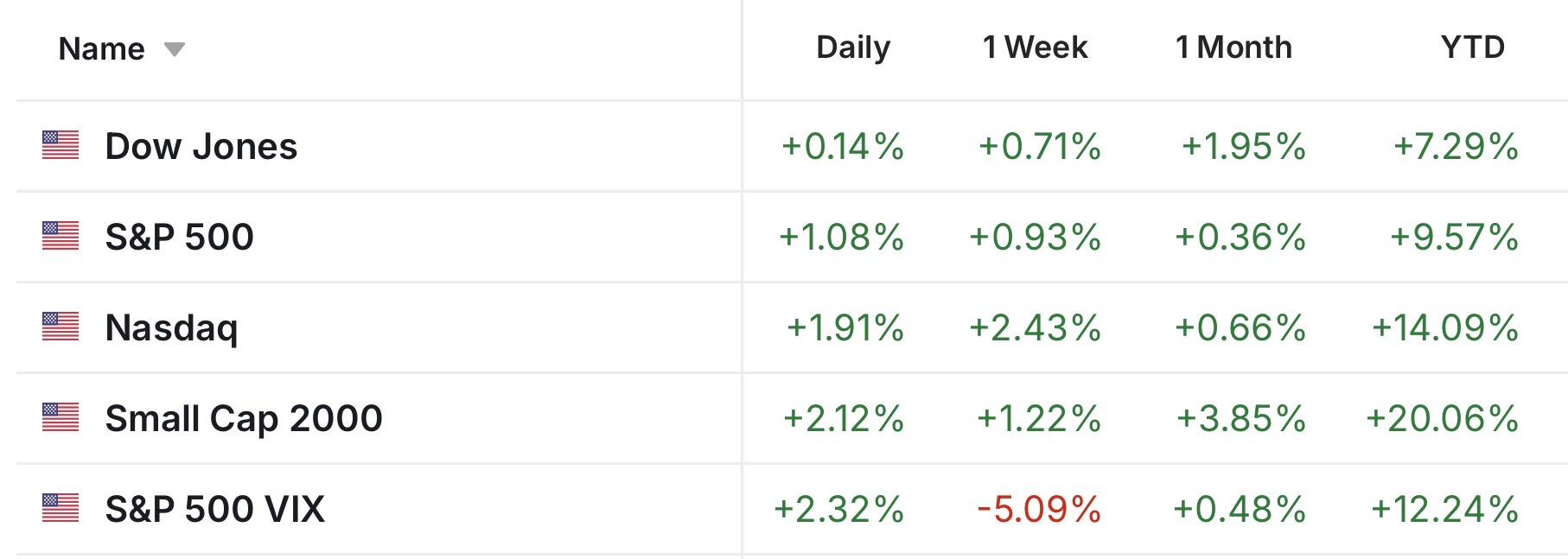
US Market Performance – Week Ending 6/19/2026
Politics, Oil, and Housing: Policy Crosscurrents in Financial News
Politics is not the whole story, but it still steers several chapters. Government funding steps and Treasury issuance can influence term premiums and rate volatility. A smoother budget path tends to calm long‑end yields; a noisier path can keep them sticky and multiples restrained.
Energy remains the swing factor. OPEC+ communications and U.S. inventory trends can nudge crude oil. Those swings filter into headline inflation and feed back into the rate outlook. That feedback loop often reshuffles sector tone—especially for airlines, refiners, transportation, and consumer discretionary spending power.
Housing is the rate‑sensitive reality check. New and pending home sales, plus home price indices, show how mortgage moves are translating into activity. Even incremental yield relief can lift buyer traffic, while tight supply and affordability constraints keep a lid on follow‑through.
Bottom line for a fast‑moving tape: pair selective growth with quality income and keep some intermediate duration as a cushion against downside growth surprises. Diversify across size, style, and sector to reduce single‑headline risk when the financial news changes before lunch.
This Week: Key Economic Data
Monday: New Home Sales (May); regional Fed manufacturing snapshots; Treasury bill auctions
Tuesday: S&P CoreLogic Case‑Shiller Home Price Index (April); FHFA House Price Index (April); Conference Board Consumer Confidence (June)
Wednesday: Durable Goods Orders (May); Pending Home Sales (May); EIA Weekly Petroleum Status Report
Thursday: Weekly Jobless Claims; Gross Domestic Product (Q1, third estimate); Federal Reserve balance sheet
Friday: Personal Income & Outlays (May) with PCE Price Index; University of Michigan Consumer Sentiment (final, June)
This Week: Companies Reporting Earnings
Late‑June brings a focused list that still offers useful reads on chips, retail, payrolls, and travel.
- Micron Technology (MU)
- Nike (NKE)
- Walgreens Boots Alliance (WBA)
- Paychex (PAYX)
- Carnival (CCL)
- General Mills (GIS)
- CarMax (KMX)
- KB Home (KBH)
- BlackBerry (BB)
- FactSet (FDS)
- Jefferies Financial Group (JEF)
- Cintas (CTAS)

Midyear Tax Move: Tune Up Your Withholding Before Summer Ends
A quick midyear withholding check can prevent an April surprise. Use the IRS Tax Withholding Estimator to model income, deductions, and credits. If under‑withheld, submit an updated Form W‑4 or plan for the next quarterly estimate. This simple step helps avoid penalties, smooths cash flow, and reduces refund‑or‑owe guesswork—especially after bonuses, option exercises, RSU vests, or investment gains.
This information is not a substitute for individualized tax advice. Please consult with a qualified tax professional to discuss your specific tax issues.
Tip adapted from IRS.
Footnotes and Sources
- Bureau of Economic Analysis: Personal Consumption Expenditures (PCE) Price Index
- BEA: Economic release schedule (GDP; Personal Income & Outlays)
- U.S. Census Bureau: Manufacturers’ Shipments, Inventories, and Orders (Durable Goods)
- S&P CoreLogic Case‑Shiller Home Price Index
- FHFA: House Price Index
- The Conference Board: Consumer Confidence Index
- NAR: Pending Home Sales
- U.S. EIA: Weekly Petroleum Status Report
- U.S. Treasury: Daily yield curve and auction details
- WSJ Markets: Earnings calendar
- CNBC Finance: Markets and financial news
- Bloomberg Markets: Global market data and analysis
- IRS: Tax Withholding Estimator

Wesley Samson
Wesley@samsonfinancial.net
863-345-0538
Samson Financial, LLC.
https://www.samsonfinancial.net